
Vehicle Transportation Across States: A Global Perspective
Vehicle transportation across states has become increasingly common in a world where people relocate frequently or move vehicles for work and seasonal travel. Understanding how interstate vehicle shipping works can help individuals and businesses move vehicles safely, efficiently, and legally.
This guide explains the logistics, regulations, and options involved in vehicle transportation across states, while also comparing how similar systems operate around the world.
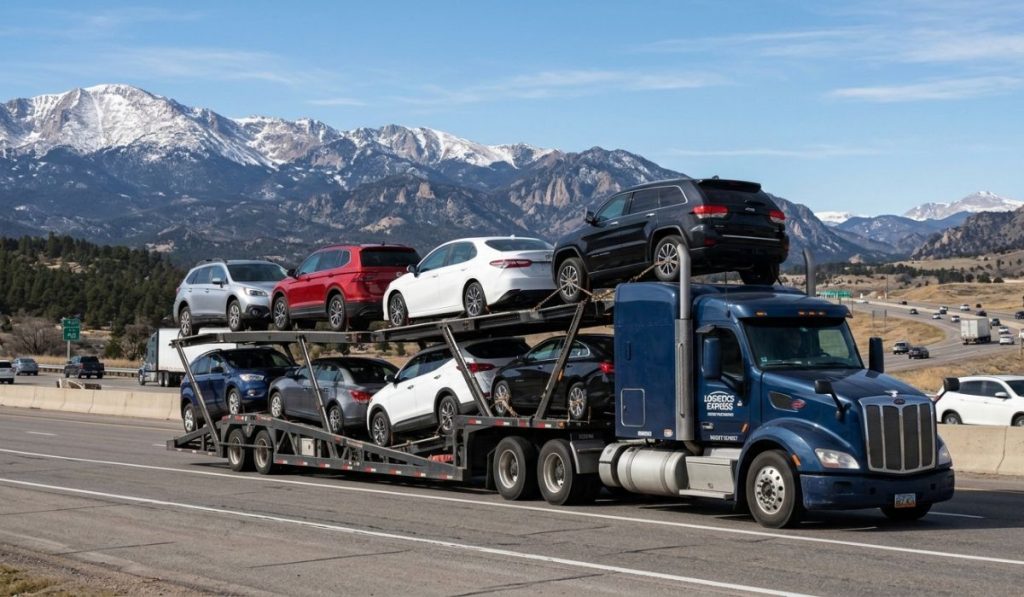
What Is Vehicle Transportation Across States?
Vehicle transportation across states refers to moving a vehicle from one state to another using professional transport services. This process can involve trucks, trains, ships, or other specialized carriers designed to safely transport automobiles over long distances.
For many people, choosing professional transport is easier and safer than driving the car themselves, particularly when the journey involves thousands of miles.
Common Reasons for Interstate Vehicle Shipping
- Relocation: People moving for work or family reasons often rely on professional car transport services.
- Online car purchases: Buying vehicles from dealerships or private sellers in other states.
- Military relocation: Military families frequently require interstate car shipping.
- Seasonal travel: Retirees moving between warmer and colder regions.
- Car exhibitions: Classic or luxury vehicles transported for shows.
Vehicle Transportation Across States in the United States
The United States has one of the most advanced vehicle transport networks in the world. Most cars are transported using specialized multi-vehicle carriers designed for long-distance shipping.
Open Transport
Open transport is the most common and affordable method. Cars are transported on large trailers capable of carrying several vehicles at once.
Enclosed Transport
Enclosed transport provides additional protection against weather and road debris. This method is typically used for luxury, sports, or vintage cars.
Regulations for Interstate Car Transport
Transport companies must comply with federal regulations. Carriers must register with the Department of Transportation (DOT) and obtain a Motor Carrier (MC) number.
The Federal Motor Carrier Safety Administration (FMCSA) oversees safety standards, insurance requirements, and operational compliance.
For example, companies providing Georgia car transportation services must follow both federal and state transportation regulations.
Vehicle Transportation Systems in Europe
Although Europe is composed of multiple countries rather than states, many logistics systems function similarly to interstate vehicle shipping. The European Union has harmonized regulations that simplify vehicle transport between member countries.
- Cross-border regulations may vary between EU and non-EU countries.
- Language and administrative differences can create logistical challenges.
- Luxury vehicles often use enclosed transport across European borders.
You can learn more about Europe’s automotive industry from ACEA automotive manufacturing statistics.
Vehicle Transport in Australia
Australia faces unique challenges similar to large-scale vehicle transport in the United States due to vast distances between cities.
- Rail transport for long-distance shipping
- Truck carriers along the eastern coast
- Coastal shipping routes
Transport companies must comply with the Heavy Vehicle National Law.
How to Choose the Right Vehicle Transportation Service
Choosing the right provider requires careful consideration of several factors.
Cost
- Distance of transport
- Vehicle size and type
- Fuel prices
- Delivery speed
Insurance
Always verify that the transport company provides insurance coverage during the shipping process.
Vehicle Preparation
- Photograph the vehicle
- Remove personal belongings
- Leave the fuel tank partially full
The Role of Technology in Vehicle Transportation Across States
Modern logistics technology has significantly improved the way cars are transported across long distances. Customers can now compare quotes online, track vehicles using GPS, and access digital documentation during transport.
These innovations help increase transparency, safety, and efficiency throughout the shipping process.
Final Thoughts on Vehicle Transportation Across States
Vehicle transportation across states continues to grow as people move more frequently and online car markets expand. Understanding logistics, regulations, and shipping options ensures that your vehicle arrives safely and efficiently.
If you want to learn more about vehicle logistics and transport solutions, visit our complete vehicle shipping guide.